
When I first wrote about photographing Nick Whitehouse, he was already someone I had been watching for some time. Nick was the co-founder and CEO of McCarthyFinch, an award-winning legal AI company, and had already collected an impressive list of accolades, including recognition as a disruptive technology leader and New Zealand Emerging ICT Leader of the Year.
So imagine how pleased I was when the call finally came to photograph him. But it wasn't simply Nick's professional achievements that interested me. I had loved watching what he was achieving, but I was equally fascinated by the confidence with which he presented himself. Even then, he seemed to understand something we talk about much more openly today. Before you say a word, you are already communicating and your personal brand is very much part of that communication.
The language of clothes
I've always been fascinated by the way people communicate, not just verbally, but visually. Communication is one of my core strengths and I find myself noticing it in people all the time, particularly the way they choose to communicate their personal brand through both verbal and non-verbal cues.
Clothing obviously has a practical purpose, but it also tells people something about us. We use it to express personality, confidence, creativity, belonging and sometimes our willingness to challenge convention. Alison Lurie explored exactly this idea in her book The Language of Clothes. Like spoken language, what we wear has conventions, signals and an enormous range of expression.
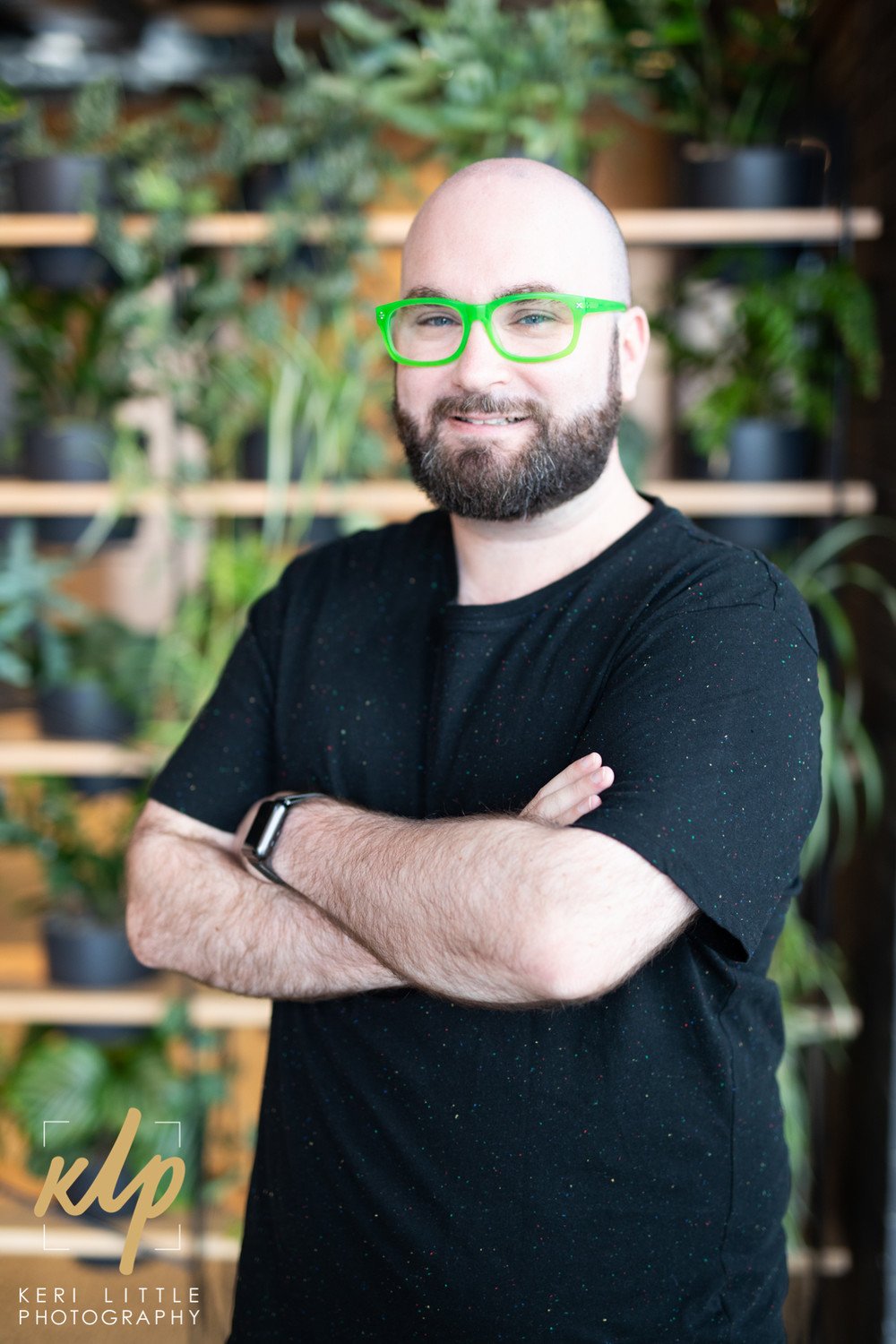
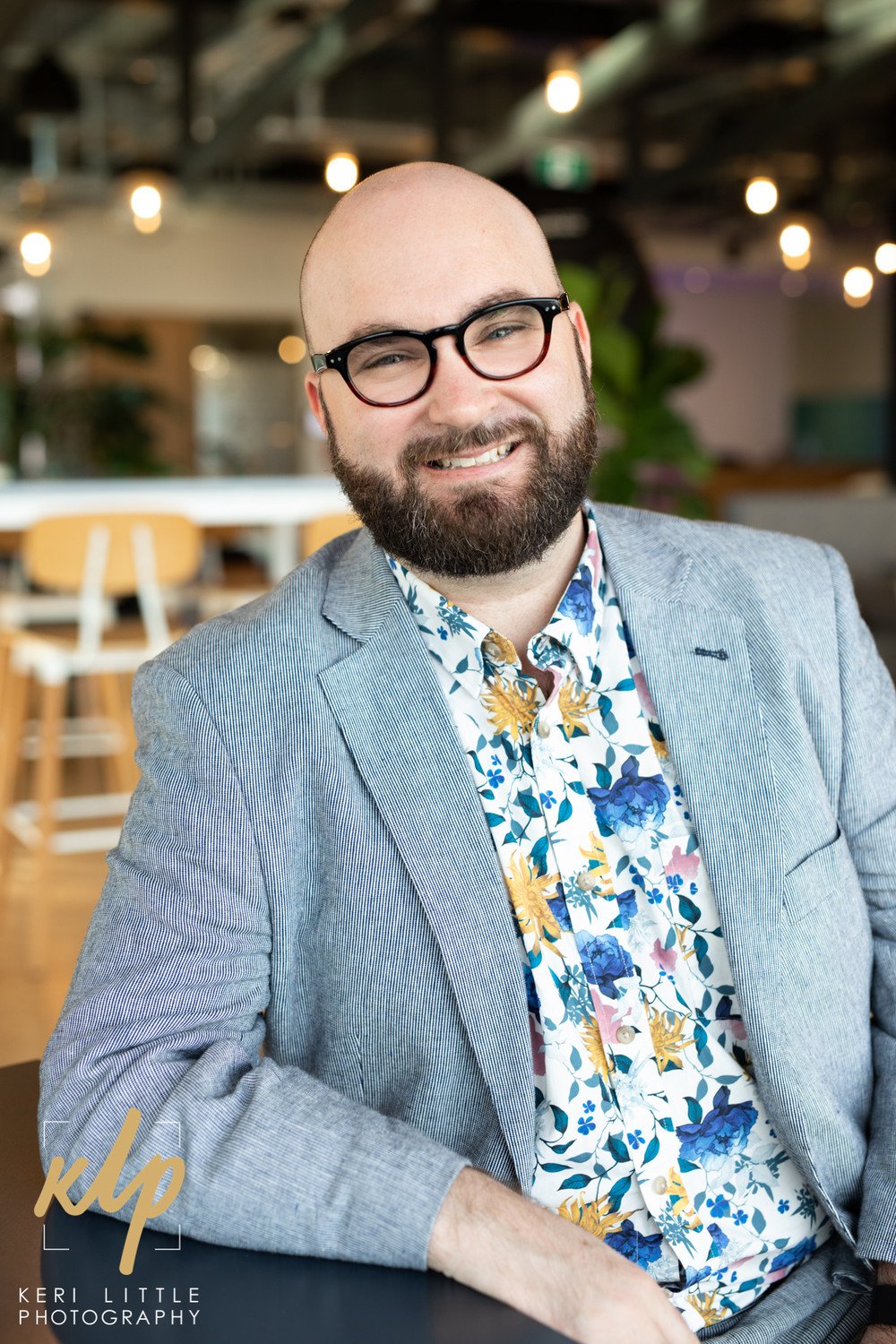
When Nick arrived for his shoot, there was intention in how he presented himself. To me, his clothing communicated confidence, independence and someone who was very comfortable with who he was. There was thought and purpose behind how he had packaged himself, and importantly, it complemented what he was already known for professionally.
That makes my job as a photographer much more interesting because I'm not trying to manufacture a persona for somebody. I'm looking for what is already there and finding a way to capture it.
Personal brand isn't about becoming someone else
This is something I think we sometimes get wrong when we talk about personal brand. It isn't about creating a polished version of yourself for LinkedIn, dressing like everybody else in your industry because that's what someone in your position is supposed to look like, or trying to turn yourself into an influencer.
For me, personal brand is much more about understanding what you want people to know about you and making sure the signals you're sending support that. Your clothes are one of those signals. Your body language is another. The way you communicate, the way you interact with people and of course, your photography are all part of the picture.
When those things align, people get a much clearer sense of who you are. That's when personal brand feels authentic rather than constructed.
The interesting part is what happened next
Looking back at these photographs now makes the story even more interesting. McCarthyFinch went on to become an internationally recognised legal AI business and was acquired by US legal technology company Onit. Nick subsequently led Onit's AI Centre of Excellence and today is its Chief AI Officer, helping drive the company's AI strategy and products.
Long before AI literacy became one of the biggest conversations in leadership, Nick was building his career around transformation, disruption and what technology could make possible. Knowing where his career went makes those original photographs even more interesting to me.
But the thing I remember most from photographing Nick wasn't an award or a job title. It was the congruence between the person I had read about and the person who walked through the door. His presence, clothes, conversation and confidence were all telling essentially the same story.
That's what I want to capture
When an executive steps in front of my camera, I'm not looking for a generic version of what "professional" is supposed to look like. I'm looking at the individual in front of me. What makes this person credible? What makes them interesting? How do they naturally occupy a room? What should somebody feel when they encounter their photograph before they've ever met them?
This is why I don't believe great executive photography is simply about looking polished. It's about creating an image that feels aligned with the person, their role and the reputation they've built.
Because a strong executive portrait should do more than show people what you look like. It should give them a sense of who they're about to meet.